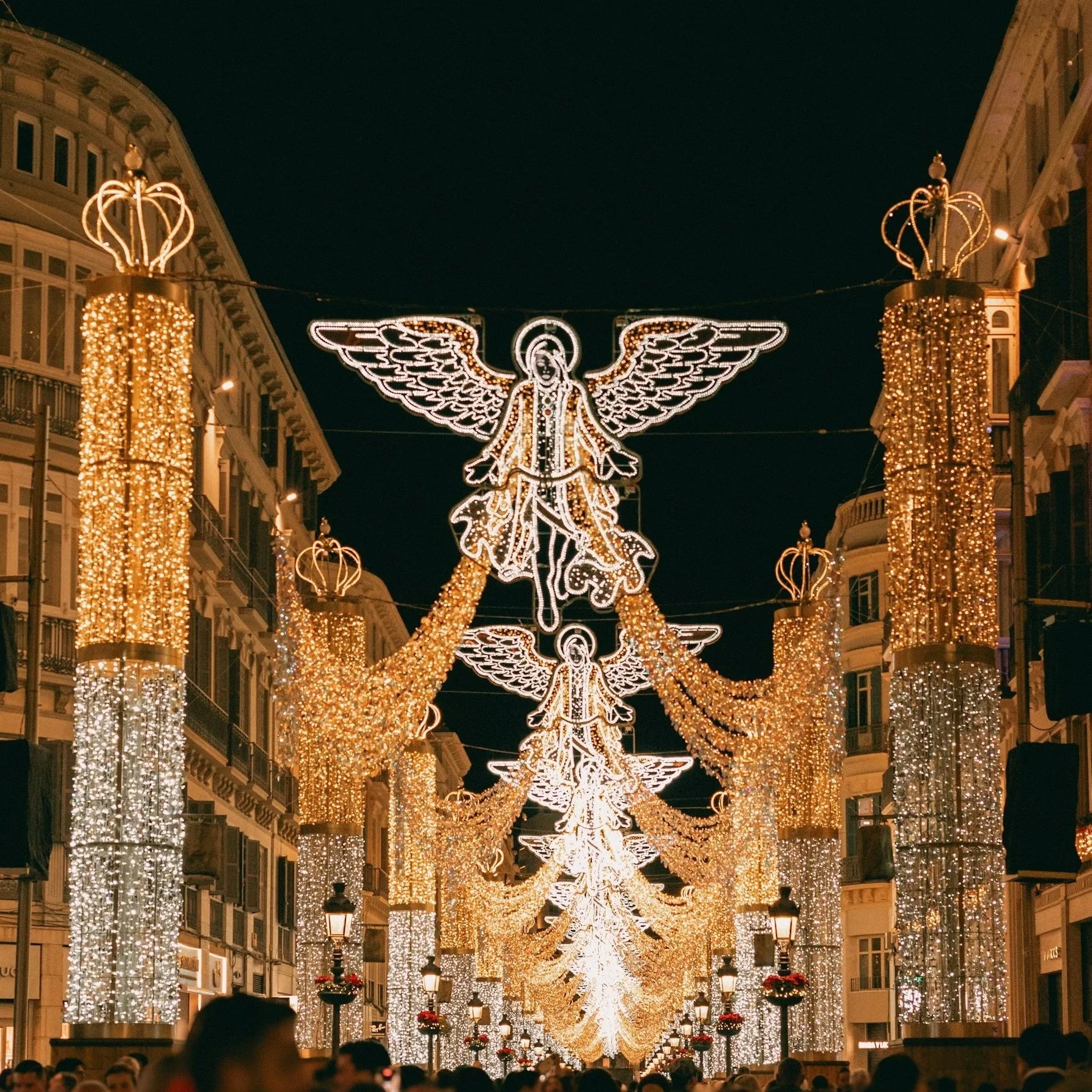
Spain might be famous for its summer beaches, but winter is a wonderful time to discover a different side of the country. Think atmospheric historic cities, festive Christmas markets, cosy boutique hotels, snowy mountain landscapes and sunny island escapes.
For international travelers, winter can also be an opportunity to explore Spain at a more relaxed pace, enjoy its food culture and discover places that feel very different from the busy summer season.
Whether you are planning a Christmas getaway, a cultural city break or a winter escape in the sun, here is how to make the most of Spain in winter.
1. Explore Spain's Historic Cities
Winter is an excellent season for discovering Spain's cities, particularly if you enjoy architecture, museums, local food and long evenings exploring beautiful streets.
Madrid is ideal for a winter city break, with world-class museums, elegant restaurants, shopping and a festive atmosphere around Christmas. Warm up with churros and hot chocolate at a traditional café after a morning exploring the city.
Seville offers a different kind of winter experience. Its historic streets, beautiful courtyards, tapas bars and flamenco performances make it a wonderful destination for travellers who want culture and outdoor experiences without the intensity of the summer heat.
Granada is another excellent choice. Visit the Alhambra, explore the Albaicín neighbourhood and enjoy views towards the Sierra Nevada mountains. On clear winter days, the contrast between the historic city and the snowy peaks is particularly beautiful.
Barcelona is also worth considering for architecture, food and culture, while Málaga offers a milder coastal atmosphere alongside museums and an appealing historic centre.
Where to stay: Choose a boutique hotel in a historic neighbourhood, ideally within walking distance of restaurants, shops and the main sights. The right location makes winter exploring much more enjoyable.
2. Experience Christmas in Spain
If you visit between late November and early January, you can experience Christmas in Spain, when city centres fill with festive lights, decorations and seasonal markets.
Madrid is particularly atmospheric, with its illuminated streets, Christmas markets and traditional celebrations. Barcelona offers its own Catalan Christmas traditions, while Seville combines festive decorations with historic architecture and Andalusian culture.
One of Spain's most distinctive traditions takes place on New Year's Eve. At midnight on 31 December, people eat 12 grapes, one with each stroke of the clock, for good luck in the coming year.
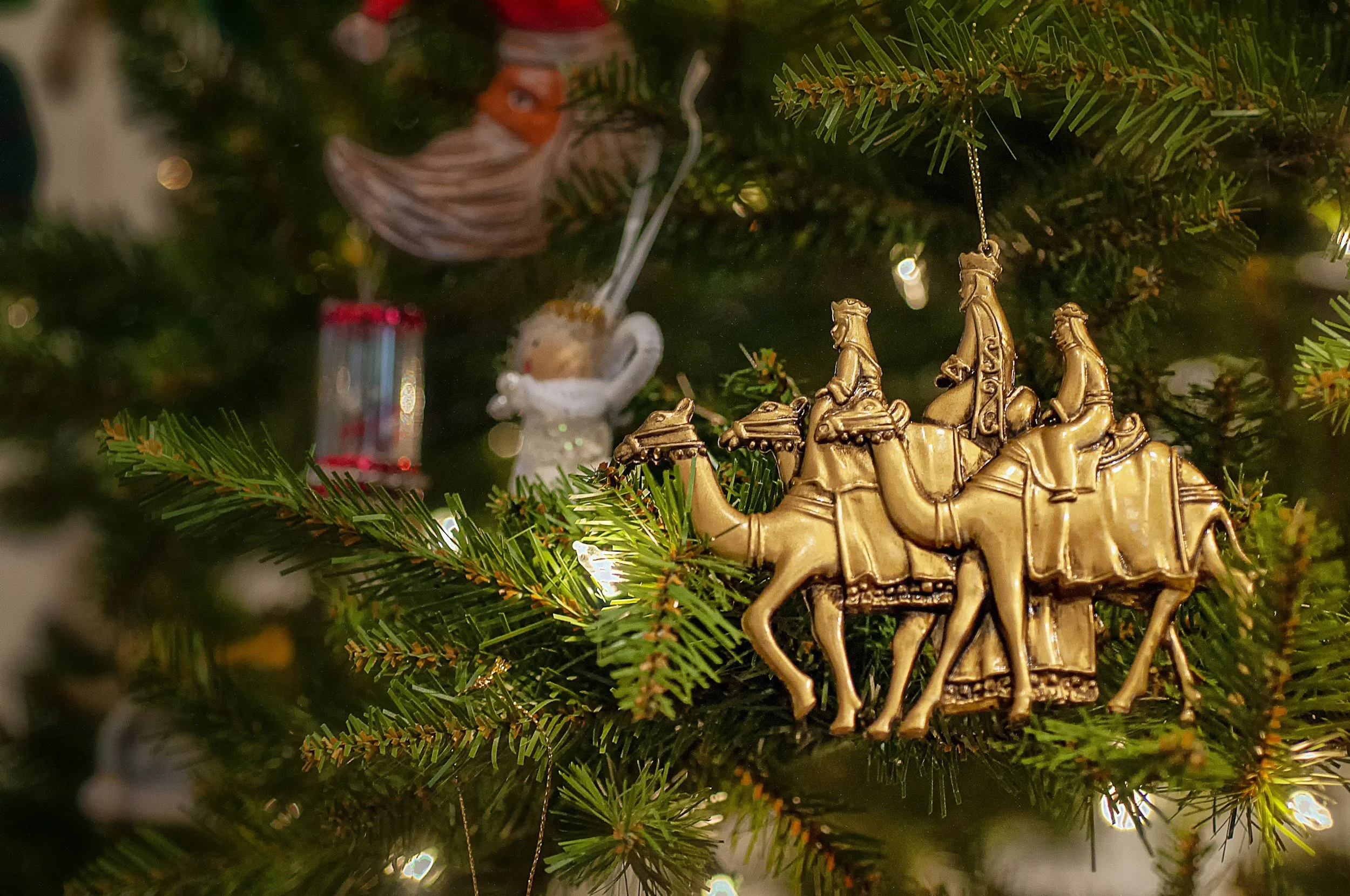
The festive season continues into January, when the Three Kings' parades take place on the evening of 5 January, ahead of Three Kings' Day on 6 January.
Where to stay: For a Christmas city break, look for a well-located boutique hotel with a comfortable room and easy access to the festive areas. Book restaurants and popular experiences ahead of time, particularly around Christmas and New Year's Eve, when opening hours can vary.
3. Escape to the Sun in the Canary Islands
Not every winter trip to Spain needs to involve cold weather. If you prefer sunshine, outdoor activities and time by the ocean, the Canary Islands are one of Spain's most appealing winter destinations.
Located off the northwest coast of Africa, the islands enjoy a mild climate throughout much of the year. Winter temperatures are often around 20°C, although conditions vary by island and location.
Each island offers a different experience:
Lanzarote: Volcanic landscapes, contemporary architecture, local wineries and stylish boutique hotels.
Tenerife: A varied landscape with beaches, mountain scenery, boat trips and excellent dining.
Gran Canaria: Coastal resorts, historic towns and beautiful natural scenery.
The islands are particularly well suited to travellers who want to spend time outdoors, enjoy scenic drives or simply relax somewhere with a terrace and ocean views.
Where to stay: Consider a boutique hotel or a distinctive five-star property that suits your preferred pace. For a design-led stay in Lanzarote, La Isla y el Mar Hotel Boutique is one option to explore.
4. Enjoy Snowy Mountains and Winter Sports
For travellers who love winter landscapes, Spain also has mountain destinations where you can enjoy skiing, snowboarding and cosy evenings after a day outdoors.
Sierra Nevada, near Granada, combines a ski resort with the possibility of visiting one of Andalusia's most fascinating historic cities. It can be a good choice if you want to combine time on the slopes with culture and gastronomy.
The Spanish Pyrenees, stretching across parts of Aragón and Catalonia, offer mountain scenery, ski resorts and traditional villages. Depending on where you stay, you can combine outdoor activities with regional cuisine and time to relax in a comfortable mountain hotel.
Where to stay: Look for a hotel that matches your plans, whether that means convenient access to ski lifts, a spa, mountain views or a village setting. Check snow conditions and resort opening dates before choosing your travel dates, as these vary throughout the season.
5. Discover Spanish Food in Winter
Winter is a wonderful time to explore Spain through its cuisine. Cooler weather brings hearty regional dishes, seasonal ingredients and plenty of excuses to settle into a traditional restaurant.
Depending on where you travel, look out for cocido madrileño in Madrid, fabada asturiana in Asturias and caldo gallego in Galicia. These comforting regional dishes offer a taste of Spain beyond the familiar tapas menu.
For something sweet, try churros with hot chocolate or sample traditional Christmas treats such as turrón and polvorones during the festive season.
Winter is also a good time to plan food-focused experiences, from guided tapas tours to winery visits and leisurely meals at restaurants that showcase local ingredients.
Where to stay: Choose accommodation close to the restaurants and neighbourhoods you want to explore. In smaller towns, a characterful rural hotel can also be a wonderful base for discovering regional food and wine.
When Is the Best Time to Visit Spain in Winter?
Winter in Spain generally runs from December to March, but the experience depends on where you go.
December: Festive decorations, Christmas markets and seasonal traditions.
January: A quieter time for cultural city breaks, although some attractions and restaurants may have reduced opening hours around public holidays.
February: A good option for city exploring, winter sunshine in the Canary Islands and seasonal events such as Carnival.
March: A transition towards spring, particularly appealing in southern Spain, although temperatures and rainfall remain variable.
Spain does not have one uniform winter climate. Madrid and inland destinations can be cold, the north can be rainy, mountain areas can experience snow, and the Canary Islands are generally much milder.
Plan Your Winter Trip to Spain
The best winter itinerary depends on what you want from your trip. You might spend a few days discovering Madrid and Seville, escape to Lanzarote for winter sunshine or combine skiing in the Pyrenees with a stay in a charming mountain hotel.
The key is choosing destinations that work well together, allowing enough time to enjoy each place and selecting accommodation that enhances the experience.
At The Hat Tours, I help travellers discover Spain through carefully selected hotels, thoughtful itineraries and memorable local experiences. My approach is not simply about deciding where to go. It is about knowing which places are right for you and bringing the details together into a trip that feels personal.
